


 FR
FR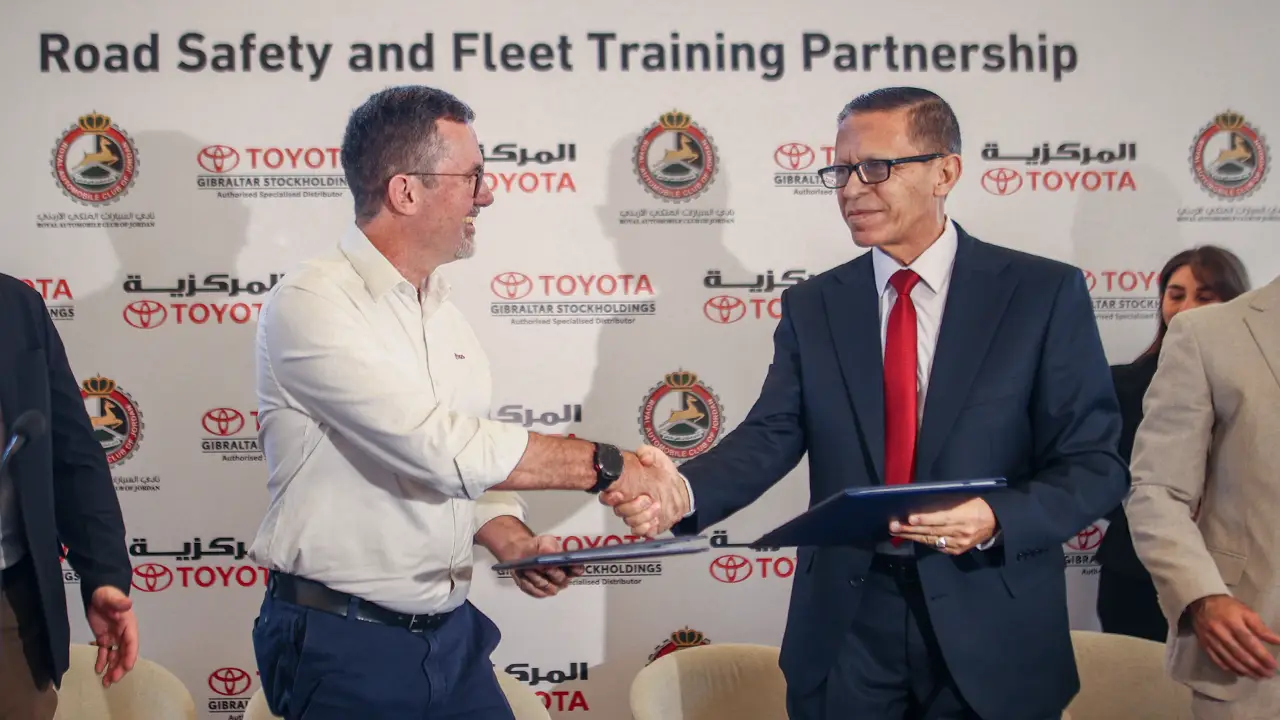
Toyota Jordan, RACJ and TGS Fleet Services Sign Strategic After-Sales Agreement
1st September 2026

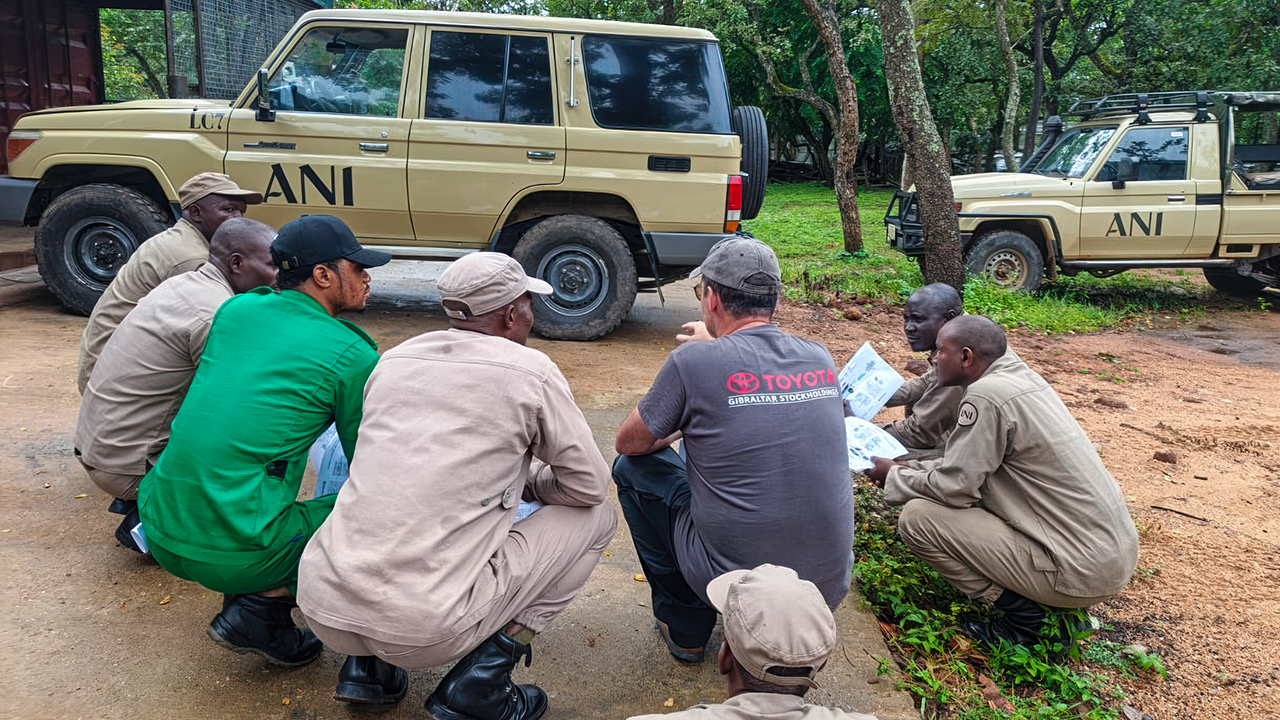
Conservation success often depends on the ability of field teams to reach remote protected areas safely and consistently. In challenging landscapes, vehicles are more than transport assets; they are operational tools that connect ranger teams to patrol routes, monitoring sites, community engagement activities and wider conservation programmes.
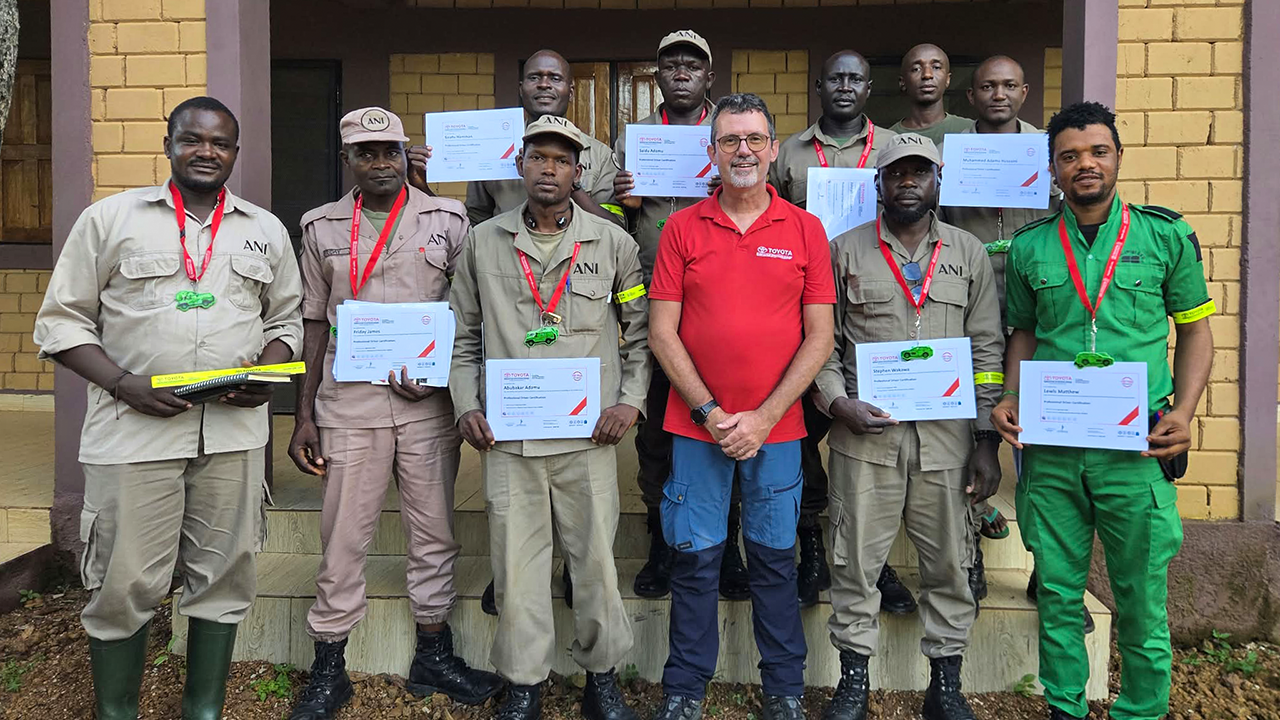
Recognising this need, TGS Fleet Services recently completed the first of two specialist off-road driver training programmes for African Natural Investors (ANI), a Nigerian conservation foundation working to strengthen biodiversity protection, protected area management and environmental education across remote regions of Nigeria.
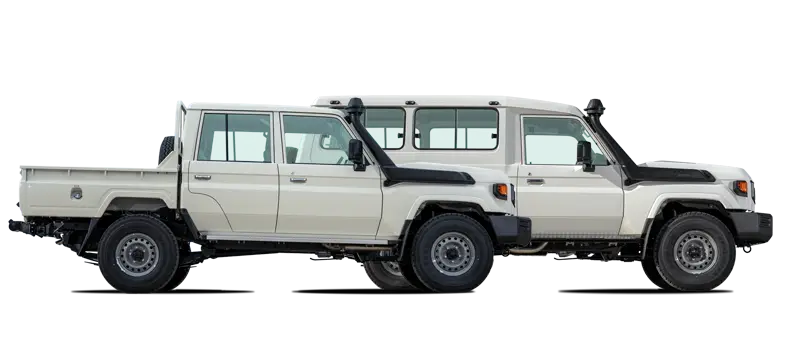
Delivered after the supply of specially prepared Toyota Land Cruiser patrol vehicles, the programme reflects a key principle for conservation operations: resilience depends as much on people, knowledge and practical capability as it does on equipment.
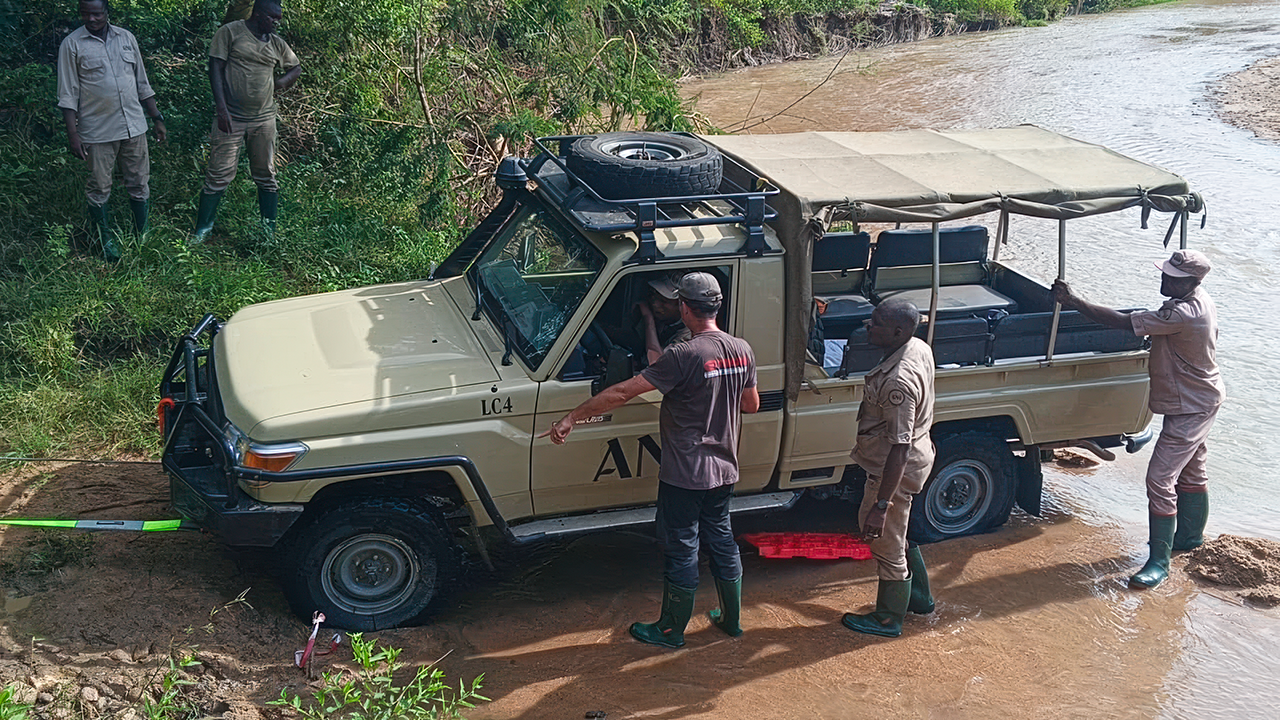
Reliable Mobility for Conservation Operations
ANI is a rapidly growing conservation foundation, established six years ago and now employing more than 350 personnel across two remote operational bases.
Its ranger teams support the protection of national parks and conservation areas from threats such as poaching, illegal logging and unauthorised mining. Alongside this field work, ANI also runs education programmes with local communities and schools, helping people understand the importance of natural resources and the need to protect them responsibly over the long term.
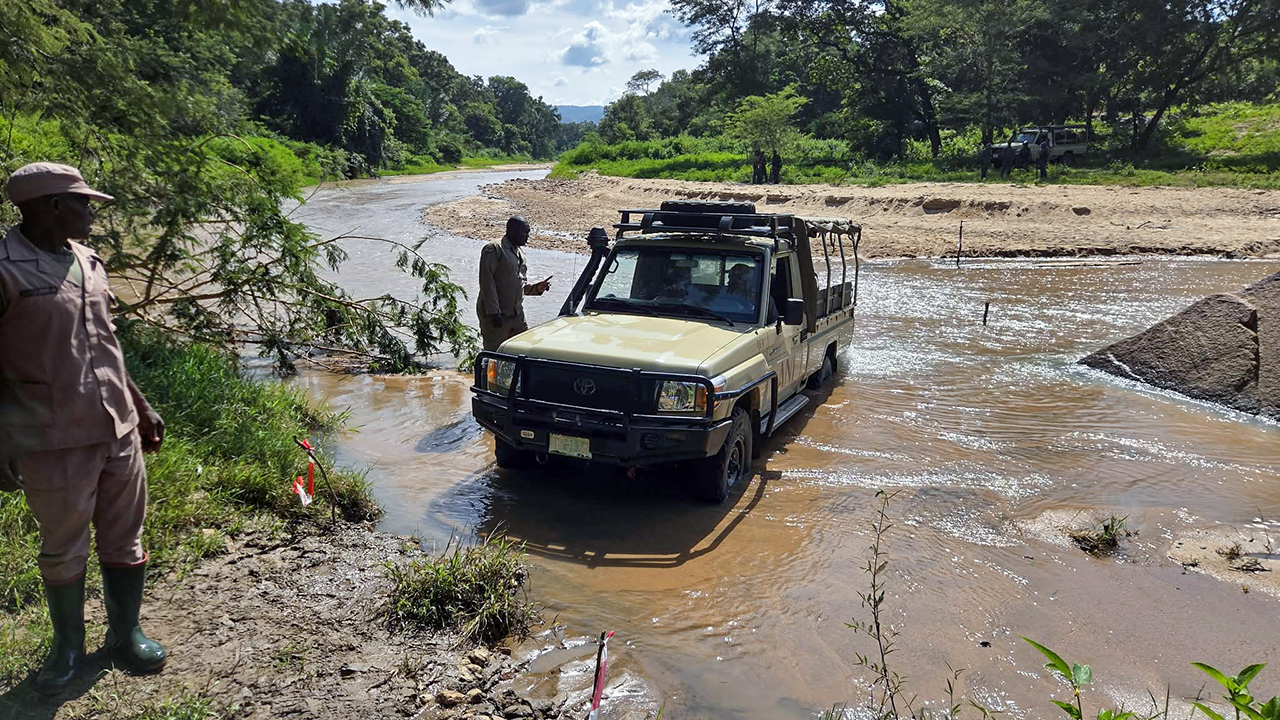
Why Driver Capability Matters
While vehicle selection remains important, long-term performance depends on the relationship between the vehicle, the driver and the operating environment. Without appropriate training, even capable vehicles can be exposed to increased wear, avoidable damage or unnecessary downtime.
Specialist off-road driver training helps improve safety, reduce avoidable fleet damage, strengthen maintenance awareness and build confidence in remote environments.
For conservation organisations managing donor-funded assets, this has a direct impact on programme delivery, field activities and resource allocation.
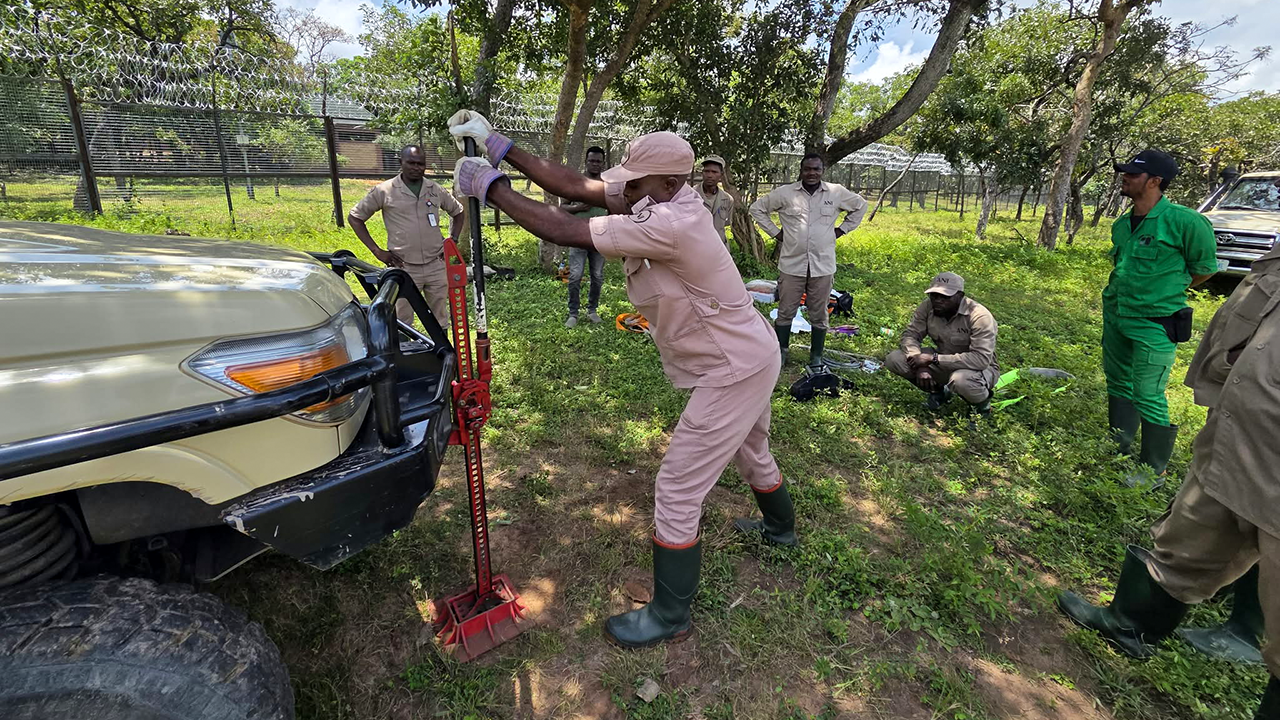
Training Designed Around Real Conservation Conditions
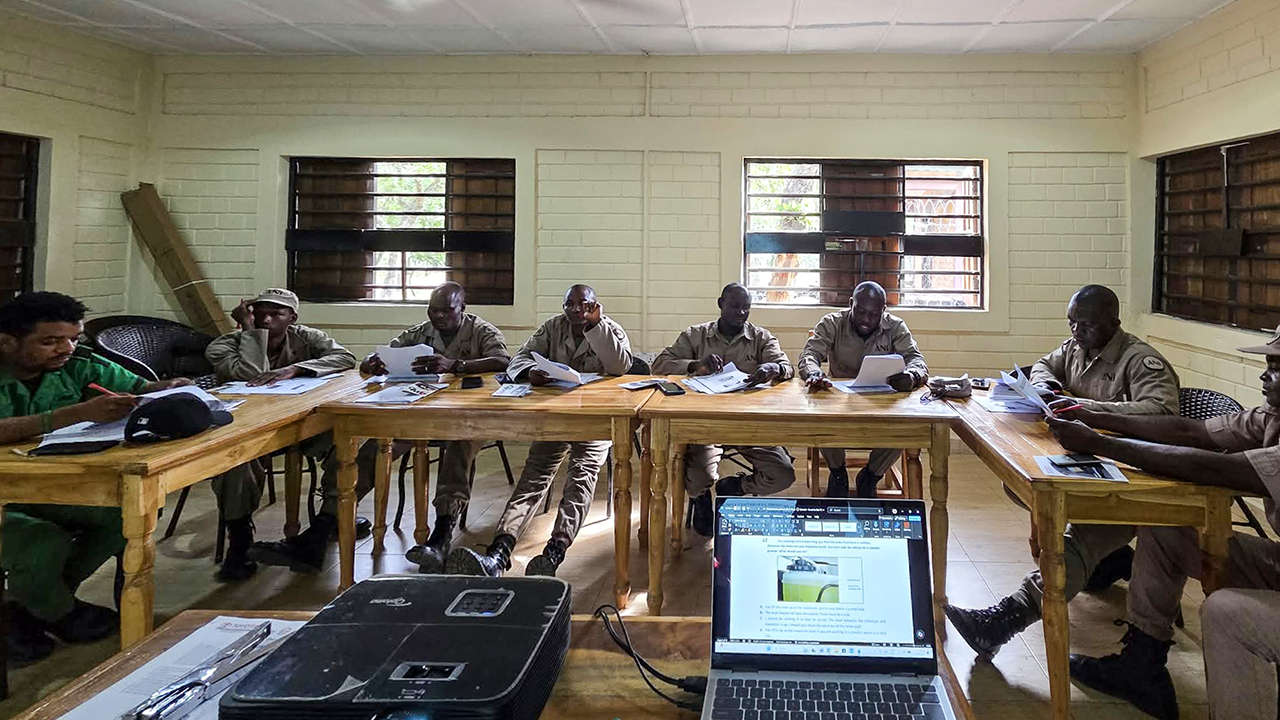
Delivered by Jean-Philippe, the programme focused on practical skills directly relevant to ranger operations, using real field conditions rather than classroom theory alone.
Off-Road Driving Techniques: Participants developed practical skills for navigating challenging terrain while reducing operational risk and unnecessary vehicle stress.
Vehicle Capability and Operational Safety: The training also covered vehicle limitations, safe operating practices and decision-making processes that support effective field operations.
Toyota Land Cruiser 70 Series Maintenance: Particular attention was given to the Toyota Land Cruiser 70 Series platform and the HZ diesel engine, which is less commonly used within Nigeria.
By improving driver understanding of vehicle systems and maintenance requirements, organisations can identify issues earlier and reduce the likelihood of preventable breakdowns in remote locations.
Beyond Vehicle Supply
Before partnering with TGS, ANI explored local options for vehicle procurement, spare parts support and technical training, but was unable to identify a provider capable of fully supporting its operational requirements.
Across the conservation and humanitarian sectors, organisations increasingly need integrated support that connects vehicles, technical expertise and training. Long-term resilience comes when equipment, skills and technical knowledge work together.
Positive Feedback from Field Teams
Participants and management highlighted the practical nature of the training and the value of learning from real-world operational experience.
Greater confidence behind the wheel can improve decision-making in remote environments, support preventative maintenance and contribute to safer field activities.
Strategic Lessons for Conservation Organisations
As biodiversity protection programmes expand, this project reinforces a practical lesson: selecting the right vehicle is only the beginning. Organisations also need the capability to operate, maintain and protect those assets in demanding environments.
Practical training strengthens asset value, supports safer decision-making and helps conservation teams maintain continuity across remote operations.
Looking Ahead
Following the success of the initial programme, ANI is exploring future opportunities for collaboration, including refresher driver training and specialised vehicle maintenance programmes for technical personnel based in remote locations.
As conservation organisations and foundations expand biodiversity monitoring, habitat protection, community engagement and environmental education initiatives, reliable field mobility will remain critical to programme delivery.
By combining reliable fleet solutions with practical training and technical support, organisations can strengthen operational resilience, improve asset performance and help conservation teams remain effective where they are needed most.